Genymotion Desktop Release Notes

This version brings a large update to our rendering stack, improving performances with the latest versions of Android, especially on macOS.

It also comes with a rewrite of our camera support and a simplified camera widget. This rewrite yields better performance and makes the camera work again on macOS Catalina.

The user interface has received lots of small touch-ups, with more important changes expected to land for 3.1.0:

  • On Windows and Linux, the Device Manager got its menubar moved to the toolbar, saving vertical space.
  • The Emulator has been updated as well: we reorganized the widgets in the toolbar, streamlined the layout of most widgets and refreshed the navigation icons.
  • We also rethought the keyboard shortcuts to make them easier to use and remember. We carefully chose them to match their widget as much as possible and to avoid conflicts with the shortcuts of your operating system.

Drag’n’dropping images and videos on a device is now more convenient: when you drop a media file, the Android media library is automatically refreshed, ensuring your media files immediately appear in the gallery, without having to restart the device.

We added the 440 and 450 DPI buckets, making it possible for you to more closely match real-life devices like the Google Pixel 3.

We also improved network error reporting and logging, making it easier for you to understand when things go wrong and for our support team to diagnose tricky errors.

Finally, we made some last minute adjustments for Android 10. It should be available as a preview soon.

We have updated the bundled adb to version 1.0.41.

The stability when resuming from hibernation on Windows has been improved.

Some error messages have been reworded to be less confusing.

Deprecation notice

Gmtool is going to be removed from the next feature version of Genymotion Desktop: 3.1.0. We encourage all gmtool users to switch to Genymotion Cloud SaaS for their continuous integration needs. Genymotion Cloud SaaS has its own tool to manage virtual devices: gmsaas. If you need any help to migrate, do not hesitate to contact us.

New Genymotion Virtual Devices version 2.14 have been released. Those are the devices used by Genymotion Desktop and Genymotion Cloud SaaS.

What’s in the box?

This release includes the following changes:

  • Keyboard composition has been fixed ; you can now type symbols the way you are used to. For example, on most European keyboard layouts, press “Alt Gr” + “E” to get the Euro symbol.
  • Improvements have been done to the overriding of build properties: it is now possible to override ro.vendor.build.fingerprint on Android 9.0 and we fixed a bug in device ID/IMEI overriding for Android 6.0 and later.
  • Internet connectivity issues on Android 8.0 have been fixed.
  • Searching for applications in Google Play works again.
  • New, colorful wallpapers!

Deprecating older Android versions

We are deprecating Android 4.1, 4.2 and 4.3 support. Genymotion Desktop 3.0 can create devices with those Android versions (using Genymotion Virtual Devices 2.13). But they won’t be available in Genymotion Desktop 3.1. If you rely on such devices, we recommend migrating your setup to at least Android 4.4.

Availability

These new devices are now available for Genymotion Desktop 3.0 users and Genymotion Cloud SaaS.

Corrections

We have fixed an incompatibility with the adb tool bundled in the platform-tools 28.0.2 package of the Android SDK, which caused failures to start virtual devices.

This new version of adb changed the behavior of the “adb connect <device>:<port>” command by making the “port” part mandatory. This broke Genymotion Desktop in a few places where it did not pass the port. We have adjusted the way we call “adb connect” and also updated the version we ship with the product to match the one in platform-tools 28.0.2.

Improvements

  • The version of VirtualBox bundled in the Windows installer has been updated to 6.0.4.

Corrections

  • We fixed an incompatibility with VirtualBox 6.0 which caused updates of virtual devices to fail and made it impossible to modify the memory size of existing devices.
  • We also fixed an issue with gmtool not being able to create a virtual device from a template shared on Genymotion Cloud SaaS.
Scroll to Top

Select Product Portal

SaaS Platform

Access to our SaaS solution and use virtual machines in the cloud on any web browsers.

Or

Or

Desktop Platform

Access to manage your Genymotion Desktop licenses, your invoices and account information.

How to get a quote for multiple Business Licenses?

  1. You need a Genymotion Desktop account. If you haven’t one yet, you can create it here.
  2. After creation and activation, or if you already have an account, follow this link.
  3. Add the number of desired licenses to your shopping cart and click “Continue to Billing”
  4. Add a shipping address, or select one if you already created one.
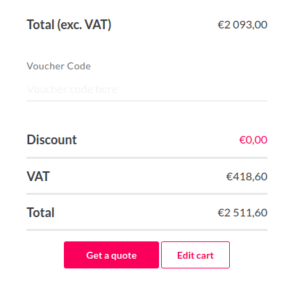
  5.  In the next page, click “Get a quote”:
    Payment details
  6. A quote will be automatically generated in PDF format.

Genymotion Device Image for Cloud providers
- Private Offer -

Genymotion Self-hosted (on-premises)
- Contact Us -

Genymotion SaaS
- Increase Maximum Simultaneous devices -

Genymotion SaaS Enterprise Plan
- Get a Quote -

Genymotion SaaS Premium Plan
- Get a Quote -

Personal Use - Free

Genymotion Desktop for personal use is not suitable for trial or POC: you will not get any assistance and some features will be disabled. If you have already selected “personal use” and wish to get a trial license, please contact our Sales at [email protected].

Technical support is not available with Genymotion Desktop free edition for personal use. For more details, please refer to Genymotion conditions of use (Personal Use).

The following features are not available in personal use mode:

Follow these steps to get Genymotion Desktop and activate personal use mode:

  1. Go to the Download page and get the latest version for your system.
  2. Follow the instructions from Genymotion Desktop quickstart guide to install Genymotion Desktop.
  3. Launch Genymotion and click CREATE to create an account. You should receive an activation email within an hour. If not, make sure to check your spam.
  4. After activating your account, return to Genymotion and log in with your credentials.
  5. Select personal use when prompted.
  6. Read Genymotion Desktop quickstart guide carefully to setup Genymotion for your needs.

Contact Sales
- Premium Plan -

Select a Cloud provider Marketplace